अन्नेन धार्यते सर्वं जगदेतच्चराचरम्।
NUTRITION PROGRAMME Annapurna Programme
अन्नदानं परं दानम् — अन्नदान सबसे महान दान है।
For millions of underprivileged children, hunger is not simply the discomfort of missing a meal. It is a daily struggle that affects their health, education, confidence and future.
Many children from economically disadvantaged families come to school without breakfast or a nutritious meal. Their parents may be daily-wage earners, migrant workers, domestic helpers or individuals struggling to meet the family's basic needs. Some families have insufficient income to provide nutritious food every day, while others must leave home early in search of work.
For these children, an empty stomach becomes an invisible barrier between them and education.
Hunger Can Steal a Child's Health
A child's growing body needs sufficient proteins, vitamins, minerals and energy. When nutritious food is unavailable for prolonged periods, children may experience weakness, anaemia, nutritional deficiencies, poor growth and reduced immunity.
Malnourished children can become more vulnerable to serious and recurring illnesses, including diarrhoea, respiratory infections and pneumonia. Their bodies may struggle to fight infections and recover properly. Frequent illness can affect their physical growth, brain development, emotional well-being and ability to lead an active childhood.
A child who frequently falls sick may miss several days of school. Medical treatment can also place an additional financial burden on a family that is already struggling to afford food and other basic necessities.
Gradually, hunger creates a painful cycle:
Poor nutrition leads to weakness.
Weakness increases the risk of illness.
Illness causes school absence.
Repeated absence creates learning gaps.
Learning gaps reduce confidence and increase the risk of dropout.
The Hunger Cycle — how hunger steals health, education and childhood, one stage at a time.
When Hunger Pushes Children Out of School
A hungry child cannot concentrate properly.
Instead of focusing on lessons, the child may be thinking about when the next meal will come. Fatigue, dizziness, headaches, weakness and poor concentration can make it difficult to understand concepts, complete schoolwork or participate in classroom activities.
When children repeatedly miss school because of hunger, illness, migration or family responsibilities, they begin to fall behind their classmates. Lessons become harder to understand, academic performance declines, and the child may gradually lose confidence and interest in education.
Children affected by undernutrition may also struggle with school attendance and performance, reducing their opportunities for learning and future income.
For families facing extreme poverty, education may eventually appear less urgent than survival. Parents may feel compelled to involve children in earning money, household work or other labour to support the family.
A child who should be holding a pencil may instead be forced to work.
A child who should be sitting in a classroom may begin spending the day earning a small income.
Once a child enters labour, attending school regularly becomes increasingly difficult. The child may perform poorly, repeat classes or leave school altogether. Child labour then limits future employment opportunities and traps another generation in the same cycle of poverty.
Hunger does not only empty a child's stomach—it can take away health, education, childhood and the possibility of a better future.
A Plate of Food Can Keep a Child in School
Through the Annapurna Programme, Pehal Sanstha provides fresh, hygienic and nutritious meals to children from underprivileged communities.
For many children, the meal served through the programme may be the most nutritious meal they receive throughout the day. It gives them the energy to attend classes, concentrate on lessons, participate in activities and enjoy their childhood.
Our meals include wholesome and child-friendly preparations such as:
A regular meal can become an important reason for a child to attend school.
It can reduce the burden of hunger on the family, improve classroom participation and help children remain connected with education. School meals can also encourage families to send children—especially vulnerable children—to school and keep them enrolled.
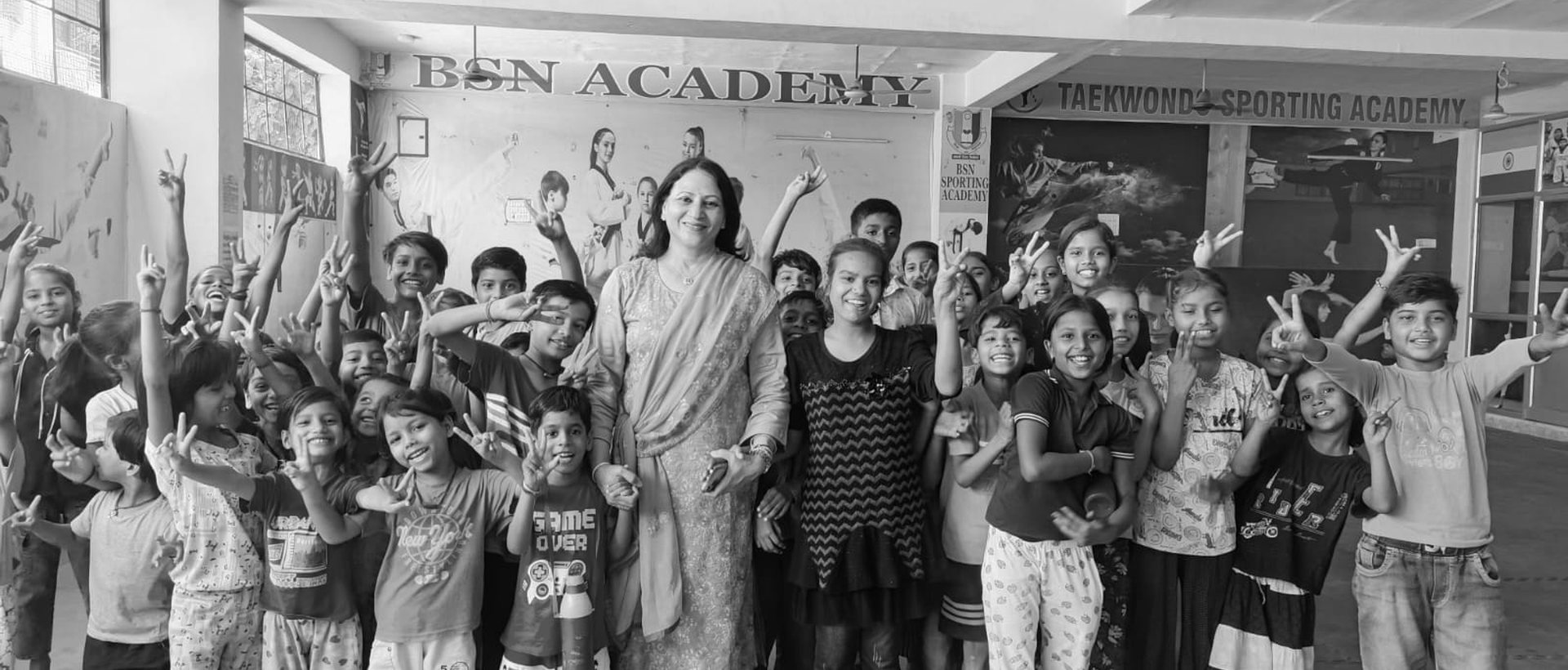
Children at BSN School sharing a nutritious meal through the Annapurna Programme.
- Dal and rice
- Chapati and seasonal vegetables
- Poha and other nutritious preparations
- Fruits and healthy refreshments
- Special meals on celebrations and important occasions
More Than a Meal
The Annapurna Programme is not merely about filling empty stomachs.
Nutrition for a growing body.
Protection against weakness and illness.
Energy to concentrate in the classroom.
Encouragement to attend school regularly.
Relief for a struggling family.
Hope for a brighter future.
When children sit together and share a meal, they feel included, respected and cared for. They realise that their lives and dreams matter.
A nutritious meal can help a child choose the classroom over labour, a book over a burden and hope over helplessness.
Celebrate by Sharing Food
Your birthday, anniversary, festival, achievement or family celebration can become a meaningful occasion in the life of a child.
By dedicating a meal, you do more than celebrate an occasion. You allow children to experience nutritious food, happiness, inclusion and the warmth of being remembered.
खुशियों का सबसे सुंदर रूप है—उन्हें बाँटना।
- Birthdays
- Anniversaries
- Diwali, Holi, Makar Sankranti or other festivals
- New Year and Christmas
- Professional or personal achievements
- Punya Tithi or remembrance days of loved ones
Your Donation Can Protect a Child's Future
Your food donation can help us:
- Provide regular, fresh and hygienic meals to underprivileged children.
- Reduce hunger, weakness and nutritional deficiencies.
- Support children affected by anaemia and poor nutrition.
- Strengthen children's immunity, energy and overall development.
- Improve school attendance, concentration and classroom participation.
- Prevent children from falling behind because of repeated illness and absence.
- Reduce the risk of children leaving education due to hunger and poverty.
- Protect vulnerable children from being pushed prematurely towards child labour.
- Create happier classrooms where children can learn with dignity and confidence.
Your Donation Is Hope Served on a Plate
Your contribution is not merely the cost of food.
It is the strength a child needs to complete the school day.
It is protection for a child whose body is becoming weaker because of inadequate nutrition.
It is relief for parents who must choose between buying food and meeting other essential expenses.
It is encouragement for a child who is at risk of leaving school.
It is an opportunity to protect a childhood from hunger, illness, dropout and labour.
When you feed a child, you do not simply fill an empty stomach—you nourish a growing body, strengthen a learning mind, protect a childhood and give a dream another chance to survive.
Join the Annapurna Programme
“एक थाली भोजन दान करें—किसी बच्चे को भूख, बीमारी, स्कूल छोड़ने और बाल श्रम की ओर बढ़ने से बचाएं।”
“एक थाली दान करें, एक बचपन बचाएं और एक भविष्य संवारें।”
Together, we can ensure that no child is forced to choose between food and education, between school and work, or between childhood and survival.
Donate a Meal. Protect a Childhood. Nourish a Dream.